






Light, Medium, or Dark Roast: What's Actually Different
Light, medium, dark. The labels show up on every bag of coffee you've ever bought, but most of us pick one out of habit rather than understanding what it actually changes. Roast level isn't a flavor added on top of the bean, it's a transformation of the bean itself.
It Starts With the Same Bean
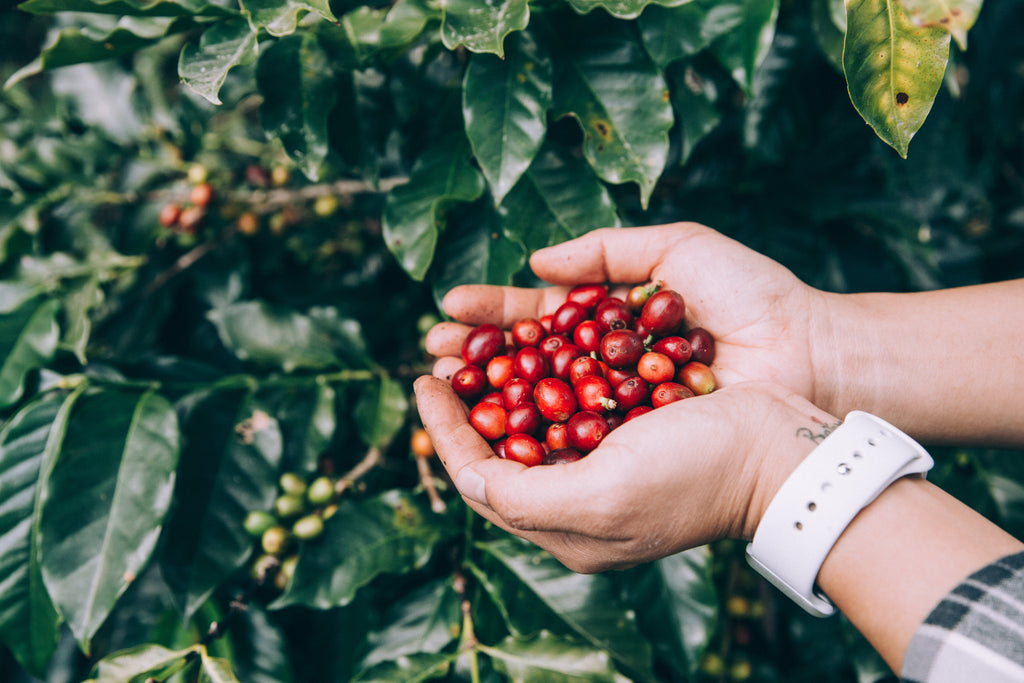
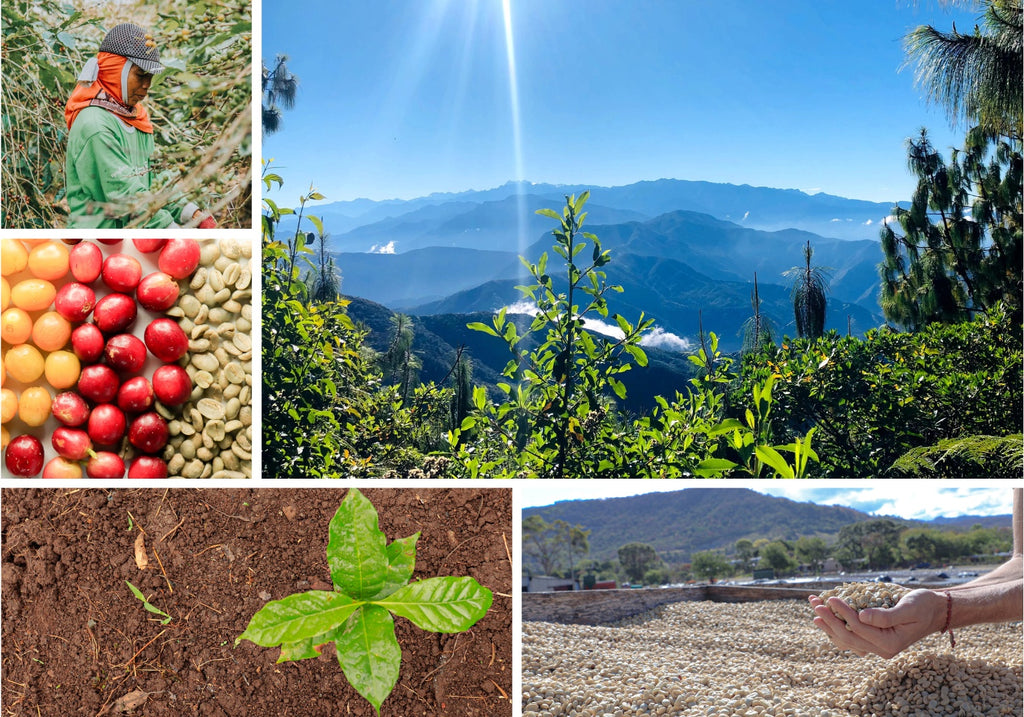
Every one of our roast levels starts from the same green coffee, the same Central American family farms, the same 84–89 point lots. Nothing about the bean's origin changes between a light roast and a dark roast. What changes is how long, and how hot, we roast it, and that's what shapes everything you taste in the cup.
What Actually Happens Inside the Roaster
As green coffee heats up, it goes through a chemical reaction called the Maillard reaction (the same browning reaction that happens to bread crust and seared meat), followed by "first crack," an audible popping point where the bean's structure opens up. How much further we roast past that point determines the level:
- Light roast: pulled shortly after first crack, preserving the most origin character.
- Medium roast: roasted further, developing more body while keeping some brightness.
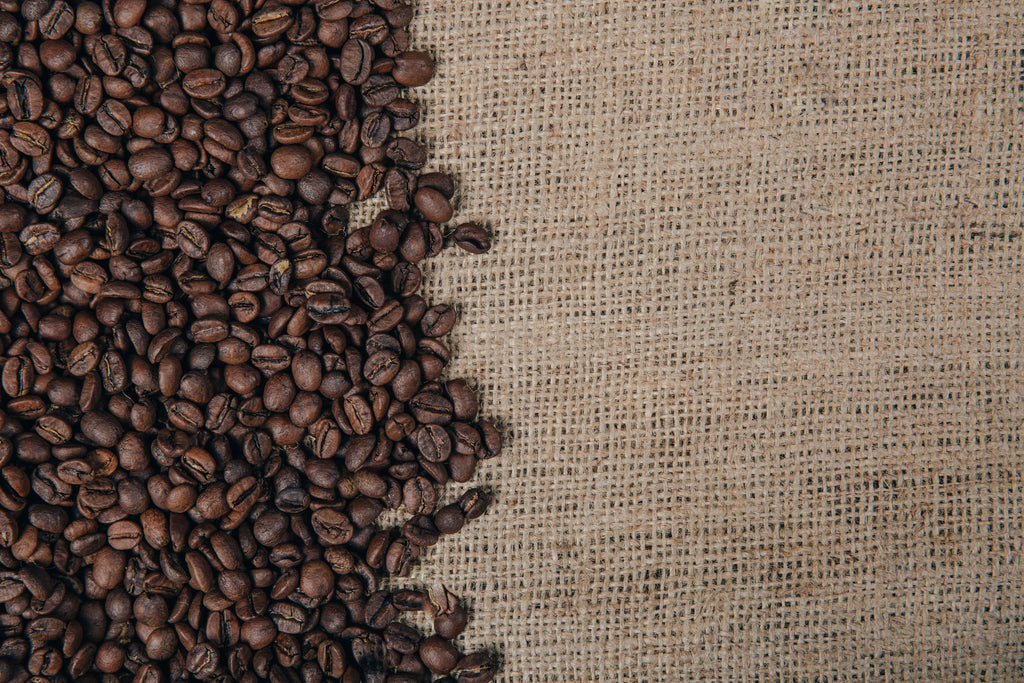
- Dark roast: pushed toward or past "second crack," where sugars caramelize heavily and the bean's own oils rise to the surface.
Light Roast: Bright, Complex, Origin-Forward
Light roasts hold onto more of the coffee's natural acidity and the specific character of where it was grown, floral, fruity, or citrus notes that come straight from the farm. If you want to actually taste the difference between our lots, light roast shows it most clearly.
Medium Roast: Balanced and Approachable
Medium roast is the middle ground: enough development to round out acidity and build body, without losing the bean's origin character entirely. It's the roast level most people default to, and for good reason, it plays well with milk, black, or however you take it.
Dark Roast: Bold, Low Acidity, Classic
Dark roast trades origin character for depth: lower acidity, heavier body, and the deep, almost smoky sweetness that comes from sugars caramelizing further inside the bean. It's the roast level that reads as "classic coffee" to most drinkers, bold enough to stand up to cream and sugar.
So Which One Is Right for You?
If you brew pour-over or drip and want to taste the farm behind the bag, start with light or medium. If you drink espresso, cold brew, or coffee with milk, medium or dark will usually serve you better. There's no wrong answer, only the one that matches how you actually drink your coffee.
One thing stays constant across every roast level we sell: we roast on demand at origin, so your bag is roasted for your order, not pulled from a warehouse shelf where it's been sitting for months.