






What Does an SCA Score of 84–89 Actually Mean?
If you've shopped with us before, you've probably seen a number next to our coffee: 84–89 points. It shows up on our bags, in our ads, even in conversations with our roaster. But unless you work in specialty coffee, that number doesn't mean much on its own. Here's what it actually measures, and why we treat it as a floor, not a marketing line.
What Is the SCA Scale?
The Specialty Coffee Association (SCA) built a 100-point cupping system that professional graders use to score green coffee across ten categories: fragrance, flavor, aftertaste, acidity, body, balance, sweetness, uniformity, clean cup, and overall impression. Anything scoring below 80 is considered commodity-grade coffee, the kind sold in bulk on the commodities market with no story behind the beans.
Once a coffee crosses 80 points, it enters specialty grade territory: coffee grown, harvested, and processed with enough care that a trained palate can tell the difference in the cup.
Why 84–89 Is Considered Specialty Grade
Within the specialty range, the scores climb further based on distinct, complex flavor characteristics, not just the absence of defects. Coffee scoring in the 84–89 range is generally described by graders as having pronounced sweetness, a clean and complex cup, and real varietal character, the kind of coffee competition roasters seek out for their menus.
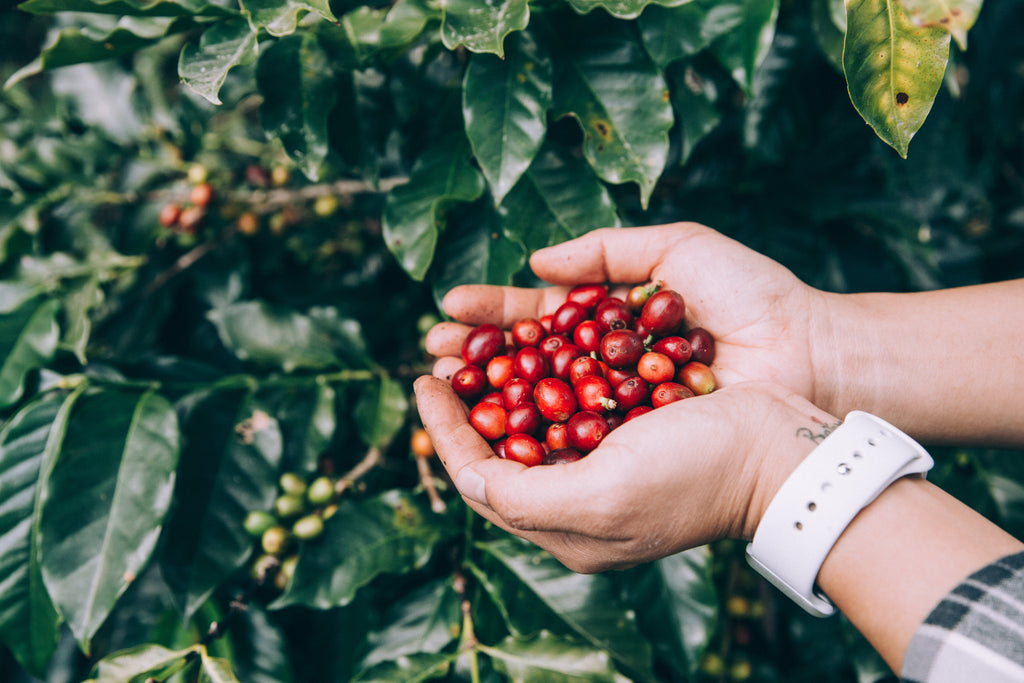
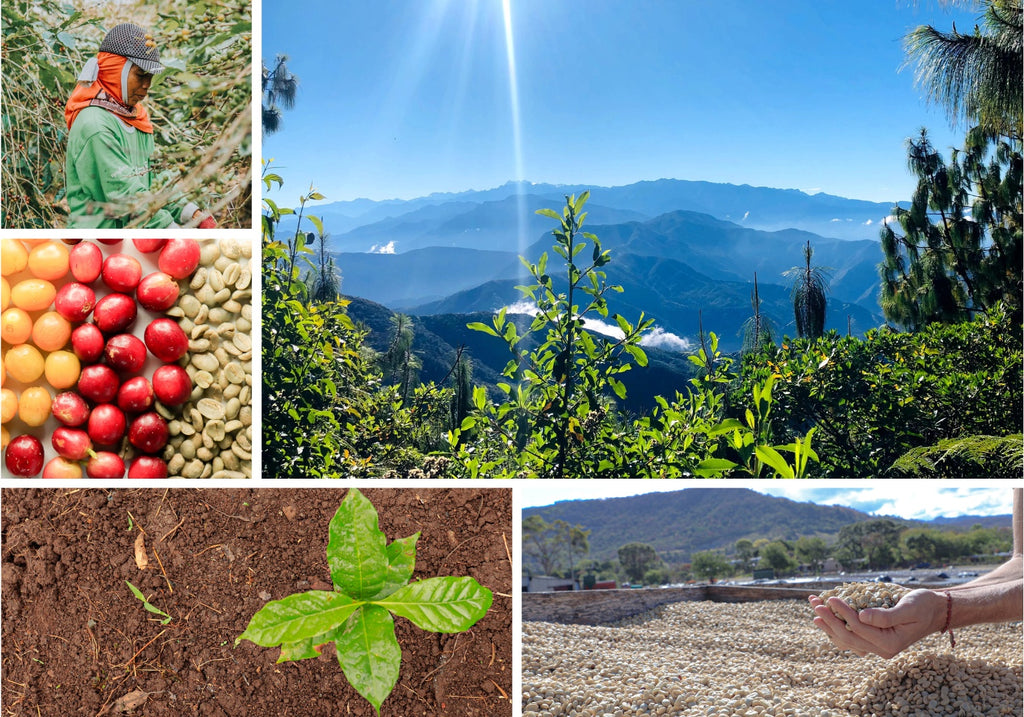
Very few lots ever reach this range. Altitude, soil, precise picking (only ripe cherries), and careful processing all have to align, and even then, a single harvest can fall short.
Why Our Central American Lots Land There, Batch After Batch
Every bag we roast comes from family farms in Central America, sourced directly rather than through a commodity broker. That direct relationship is what makes an 84–89 score repeatable instead of a lucky harvest: we know which families are producing at that level, we pay them fairly for it, and we roast on demand at origin instead of letting green coffee sit for months before it reaches our roaster.
It's also central to why we call our coffee Traceably Catholic: the score isn't just a quality claim, it's a receipt. It tells you the farming family behind your bag did the work to earn it, and that the margin from your purchase goes back to Catholic Trade with those same families, not to a middleman.
What This Means for Your Cup
In practice, an 84–89 score means fewer bitter or flat notes, more natural sweetness, and a cup that holds its character whether you brew it as a pour-over, in a K-Cup, or as espresso. It's the difference between coffee that simply wakes you up and coffee you actually taste.
Next time you see that number on one of our bags, you'll know exactly what you're getting, and where it came from.