






Whole Bean vs. Ground: Which Should You Buy?
It is one of the most common questions we get, and a fair one. You open a product page, you see two options, and you wonder whether it really matters. It does, but maybe not in the way you think. The right answer depends less on the coffee and more on your kitchen.
What changes when coffee is ground
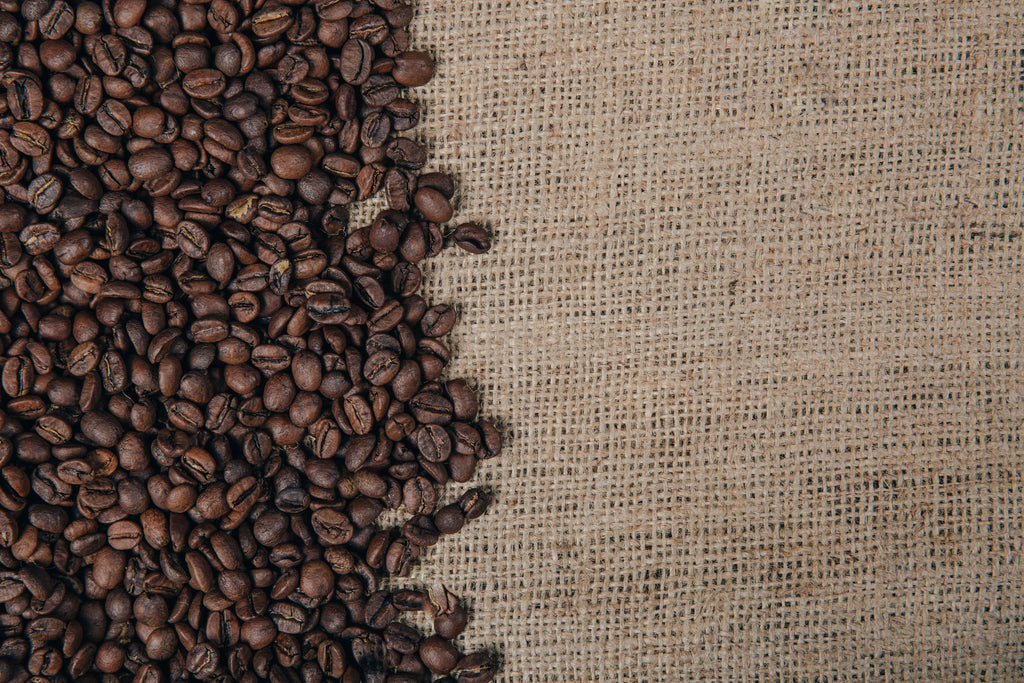
A coffee bean is a small, sealed package. Most of what makes a cup taste like chocolate, fruit or caramel lives inside it as aroma: delicate compounds that escape into the air once the bean is opened up.
Grinding multiplies the surface of the coffee many times over. That is exactly what you want right before brewing, because water can reach all of that flavor. It is also why ground coffee fades faster on the shelf. The more surface that meets the air, the sooner the aroma goes.
Whole beans keep their flavor for weeks. Ground coffee is at its best in the first days after the bag is opened.
Choose whole bean if...
- You own a grinder, or are willing to buy one. A burr grinder is worth it: it crushes the beans into even pieces, so every particle brews at the same pace. Blade grinders chop unevenly, which can make the same cup taste bitter and sour at once.
- You brew a cup or two at a time. Grinding only what you need keeps the rest of the bag fresh.
- You like to experiment. Pour-over, French press, espresso and cold brew all need a different grind. Whole beans let you switch.
Choose ground if...
- You don't have a grinder and don't plan to get one. Good coffee, ground well, beats great coffee ground badly.
- You brew for a crowd. A family breakfast, a Sunday gathering or the parish coffee pot goes through a bag quickly, so freshness has less time to fade. Our 5-pound bags are made for exactly that.
- Mornings are rushed. One less step at 6 a.m. is a real gift.
Match the grind to your brewer
| Brewer | Grind |
|---|---|
| Espresso | Fine, like table salt |
| Moka pot | Fine to medium |
| Pour-over | Medium-fine |
| Drip coffee maker | Medium, like sand |
| Parish coffee pot (percolator) | Coarse |
| French press | Coarse, like sea salt |
| Cold brew | Extra coarse |
If your coffee tastes bitter or harsh, try a slightly coarser grind. If it tastes weak or sour, go a little finer.
How to keep either one fresh
- Keep the bag closed tight, or move the coffee to an airtight container.
- Store it somewhere cool, dark and dry. A pantry is perfect.
- Skip the refrigerator. Every time the bag comes out, moisture condenses on the coffee, and coffee absorbs the smells around it.
- Buy what you will drink in two to four weeks. A subscription makes that easy.
Why freshness starts before your kitchen
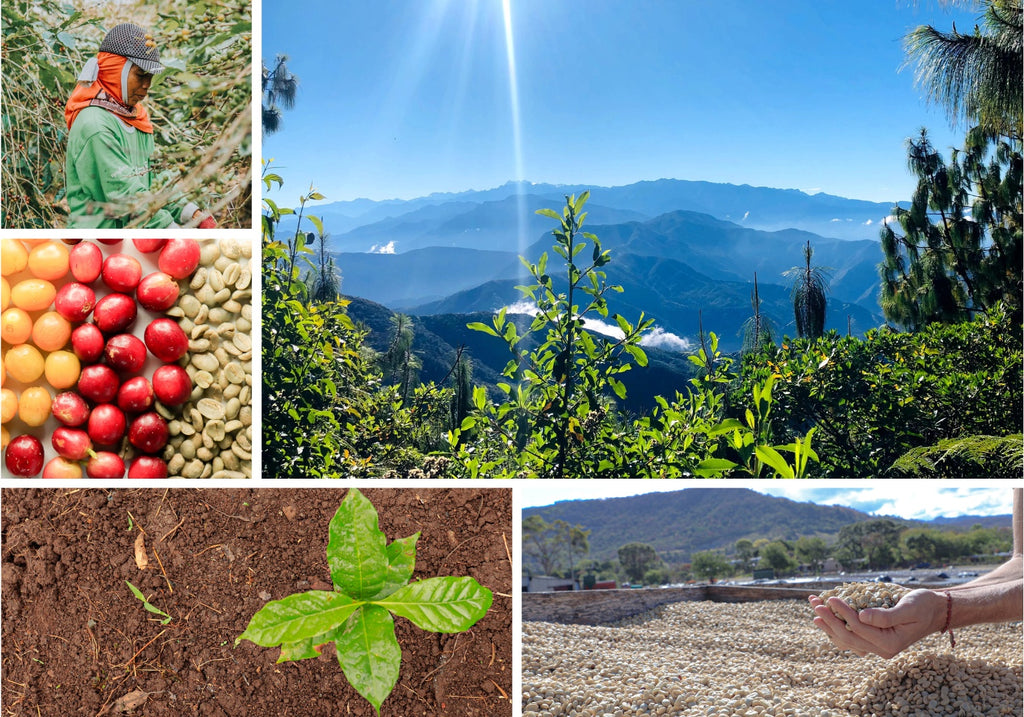
Freshness is not only about grinding. It starts with when the coffee was roasted. We roast on demand at origin, so your coffee is not sitting in a warehouse for months before it reaches you. Every Guadalupe coffee is 100% Arabica and scores 84 to 89 points on the specialty scale, grown by Catholic farming families in Latin America.
Every Guadalupe coffee comes both ways, whole bean or ground, in 12-ounce and 5-pound bags. The best coffee is the one you actually enjoy brewing, so pick the format that fits your mornings and let the coffee do the rest.