





Central American Coffee: From Our Farms to Your Cup

Single Origin
Central American Coffee:
From Guadalupe Farms to Your Cup
The volcanic highlands of Central America produce some of the world's finest Arabica coffee. We know — because we grow it at Guadalupe Farms and buy directly from Catholic farming families in those highlands.
As Featured In






Central America is home to some of the world's best-kept coffee secrets. While bigger origins dominate the specialty spotlight, Central American highland coffee consistently delivers some of the most balanced, sweet, and complex cups in the world. And unlike most brands writing about Central American coffee from behind a desk, we're writing this from the source.
At Guadalupe Roastery, our coffee comes from Guadalupe Farms — our own farm in Central America — and from lots grown by Catholic coffee-farming families in Latin America. We don't import through brokers. We don't buy from commodity markets. We work directly with farming families, put 100% of our margin back into Catholic Trade — the farmers and their communities — and bring you their best beans — roasted fresh the day they ship.
This guide covers everything you need to know about Central American highland coffee: the terroir, the flavors, and why these beans are consistently among the world's finest.
Coffee in the Central American Highlands
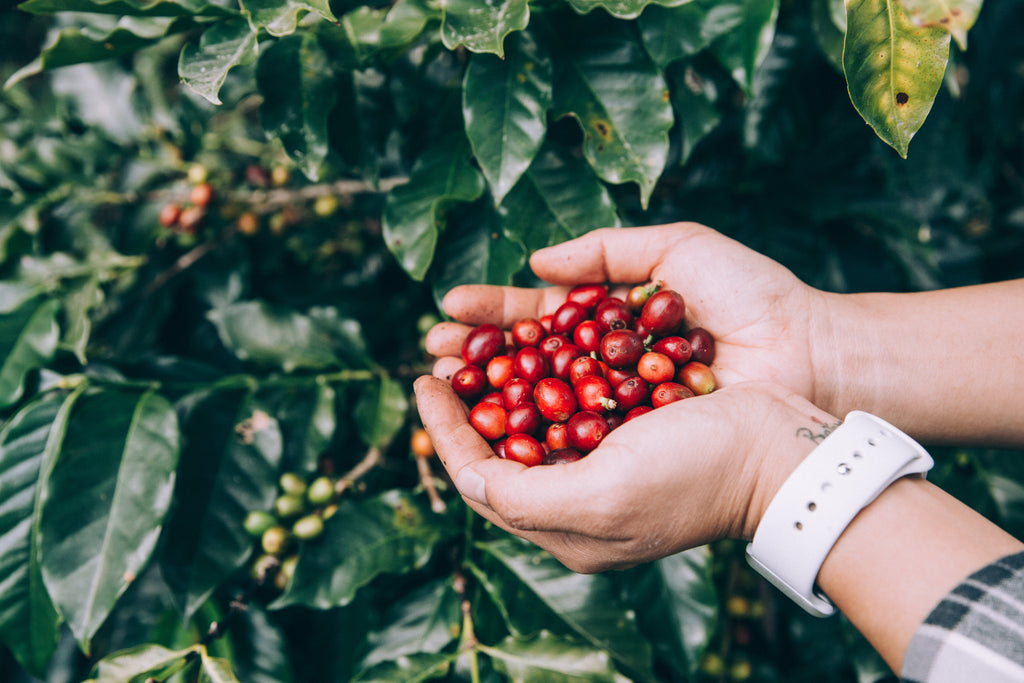
Coffee is the backbone of rural life across the Central American highlands: tens of thousands of family farms, most of them small, growing Arabica on volcanic soil between 1,000 and 1,700 meters. It is also where our own farm, Guadalupe Farms, sits.
Our Lots
Every Lot
Reinvested
Since
What makes this coffee special isn't volume — it's consistency and flavor. The highlands' combination of volcanic soil, tropical rainfall, and elevated terrain (many farms sit above 1,200 meters) creates ideal conditions for growing Arabica. The result is coffee that's naturally sweet, medium-bodied, and incredibly smooth.
Major Growing Regions
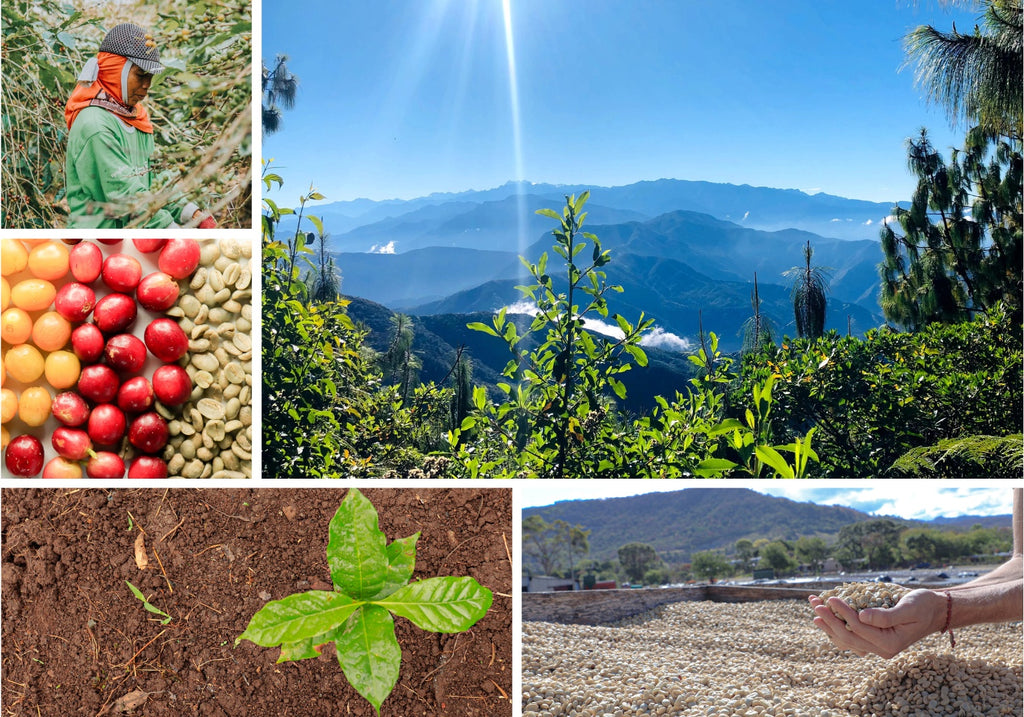
The Central American highlands hold several distinct kinds of coffee terroir, and our farm and partner families sit right in the middle of them:
The Volcanic Highlands — "The Coffee Heartland"
Volcanic clay-loam soil at 1,000-1,500m with consistent rainfall. Produces the sweetest, most balanced cups: chocolate, caramel, citrus and vanilla notes. This is the terroir of Guadalupe Farms and of our signature Cristo Rey.
The Cloud Forest
Higher elevation (up to 1,700m). Cool, misty conditions produce brighter, more acidic coffees with floral and citrus notes. This is where award-winning microlots — like our Geisha and natural-process special lots — come from.
The Northern Ranges
Steep mountain ranges at 1,200-1,600m. Known for full-bodied coffees with stone-fruit notes and some of the region's highest-altitude beans.
The Western Highlands
Dramatic elevation changes and smaller production volumes, increasingly recognized for distinct, complex cups — especially honey-processed lots like our Single Estate Honey.
What Does Central American Coffee Taste Like?
Central American coffee is prized for its sweetness and balance. Compared to other Central American origins, Central American beans tend to be smoother, less acidic, and more approachable — making them ideal for people who want complexity without harshness.
Chocolate
Rich milk chocolate and cocoa are the signature base notes of Central American coffee
Citrus
Bright orange and tangerine acidity, especially at higher altitudes
Caramel
Natural sweetness with brown sugar and toffee notes
Vanilla
Subtle vanilla undertones — a signature of shade-grown Central American beans
Nuts
Almond and hazelnut notes, particularly in medium roasts
Stone Fruit
Cherry and plum sweetness in washed lots from higher elevations
Central American coffee doesn't need tricks. The altitude, the volcanic soil, and the care of the family growing it — that's all it takes. Simple inputs, extraordinary results.Guadalupe Roastery — From the Farm
Why We Source from Central America
Most coffee brands describe origin theoretically. We describe it from experience — because the Central American highlands are where our coffee is grown, harvested, and processed: at Guadalupe Farms, our own farm, and on the farms of Catholic families we know by name.
Owning Guadalupe Farms and working directly with farming families means:
Total traceability: We can tell you which family grew the beans in your bag, at what altitude, and how they were processed. Try getting that from a supermarket brand.
Quality incentive: When farming families know their community will benefit directly from every harvest, they invest more care in every step — from selective hand-picking to careful sun-drying. The result is a cleaner, sweeter cup.
Freshness advantage: Because we control the supply chain, beans move faster from farm to roaster. And because we roast every order the day it ships, your Central American coffee is always days from the roaster — not weeks or months.
Community impact: Our direct trade model creates real economic dignity. When families earn a fair price for their coffee, entire communities benefit: better schools, better healthcare, better infrastructure. Coffee becomes a vehicle for genuine development, not extraction.
Taste Central American Coffee from the Source
Cristo Rey, our signature Central American coffee, is directly sourced at 1,200m+ altitude. Washed process, SCA 84 specialty grade, roasted fresh the day it ships.
Shop Cristo Rey →How to Brew Central American Coffee
Central American coffee is versatile — it shines in almost any brewing method. Here are our recommendations for getting the most out of your Central American beans:
Pour Over (V60, Chemex)
The best way to experience the highlands' terroir. Use a 1:16 ratio (1g coffee to 16g water), water at 200°F, and a 3-4 minute brew time. This method highlights the chocolate, citrus, and caramel notes.
French Press
Produces a fuller-bodied cup that emphasizes the chocolate and nut notes. Use a coarse grind, 1:15 ratio, and steep for 4 minutes. Perfect for weekend mornings.
Espresso
Our Espresso Supremo is specifically roasted for espresso — but our Cristo Rey medium roast also makes an excellent espresso with more origin character. Try a longer ratio (1:2.5) to bring out the sweetness.
Cold Brew
Central American beans make outstanding cold brew. The natural sweetness intensifies, and the low acidity creates an incredibly smooth, chocolatey concentrate. Grind coarse, use 1:8 ratio, steep 16-20 hours in the fridge.
Drip / Auto-Drip
A well-calibrated drip machine works beautifully with our Central American beans. Medium grind, 195-205°F water. For Keurig users, our specialty-grade K-Cups make it effortless.
Start Your Central American Coffee Journey
Whether you're new to single-origin coffee or a seasoned specialty drinker, Cristo Rey, our signature Central American coffee, is the perfect starting point. Directly sourced, SCA 84 specialty grade, roasted fresh the day it ships.